

























How to Apply for Mobile Connection
Introduction Applying for a mobile connection is a fundamental step in staying connected in today's digital world. Whether for personal use, business communication, or accessing the internet on the go, having a reliable mobile connection is essential. This tutorial provides a comprehensive guide on how to apply for a mobile connection, covering every aspect from understanding the requirements to c

Introduction
Applying for a mobile connection is a fundamental step in staying connected in today's digital world. Whether for personal use, business communication, or accessing the internet on the go, having a reliable mobile connection is essential. This tutorial provides a comprehensive guide on how to apply for a mobile connection, covering every aspect from understanding the requirements to completing the application process efficiently.
Securing a mobile connection involves selecting the right service provider, submitting necessary documents, and understanding the activation procedures. This process, while straightforward, requires attention to detail to ensure seamless connectivity and service benefits. By following this guide, individuals can confidently navigate the application process and enjoy uninterrupted mobile services.
Step-by-Step Guide
1. Identify Your Needs
Before applying for a mobile connection, assess your requirements. Consider factors like:
- Usage type: Personal, business, or both
- Data needs: Light browsing, streaming, gaming, or heavy data usage
- Network coverage in your area
- Budget for monthly plans
This evaluation helps in choosing a plan that best suits your lifestyle and ensures cost-effectiveness.
2. Research Service Providers
Explore various mobile network operators available in your region. Compare their plans, coverage, data speeds, customer reviews, and additional benefits. Popular providers often have diverse plans catering to different segments, including prepaid and postpaid options.
3. Choose the Type of Connection
Decide between prepaid and postpaid connections:
- Prepaid: Pay in advance for usage, no monthly bills, greater control over expenses.
- Postpaid: Monthly billing based on usage, often comes with higher data limits and benefits.
Your choice depends on your usage pattern and financial preference.
4. Gather Required Documents
Most providers require specific documents to verify your identity and address. Commonly needed documents include:
- Proof of identity (e.g., passport, drivers license, national ID card)
- Proof of address (e.g., utility bill, rental agreement, bank statement)
- Passport-sized photographs (if applicable)
Ensure you have original documents and photocopies ready for submission.
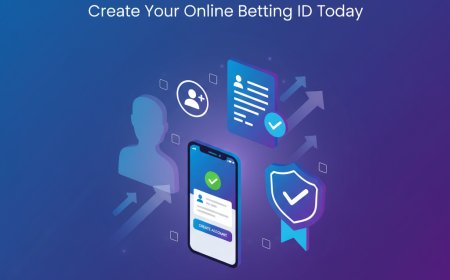
5. Visit the Service Provider or Apply Online
You can apply for a mobile connection by visiting the nearest service provider store or through their official website. Online applications are increasingly popular due to convenience and speed.
- In-store: Staff will guide you through the application form and document submission.
- Online: Fill out the digital application form, upload documents, and select your preferred plan.
6. Complete the Application Form
Fill in accurate personal and contact details. Double-check for errors to avoid delays. Specify the plan and connection type chosen.
7. Submit Documents and Verification
Submit your documents for verification. Some providers may perform a biometric verification or request a physical visit for identity confirmation.
8. SIM Activation
Once your application is approved and documents verified, the SIM card will be activated. Activation timelines vary from instant to a few hours or days. You will receive a confirmation message or notification when the connection is active.
9. Start Using Your Mobile Connection
Insert the SIM card into your phone and test the connection by making calls or accessing the internet. Set up your phone settings if required.
Best Practices
Maintain Document Accuracy
Submit valid and current documents to avoid rejection. Expired or mismatched documents can cause application delays.
Choose the Right Plan
Analyze your usage trends and select plans that offer the best value. Avoid overpaying for unused data or minutes.
Secure Your SIM Card
Keep your SIM card safe and do not share your personal details linked to the mobile connection to prevent misuse.
Check Network Coverage
Ensure your chosen provider has strong network coverage in your frequently visited locations to avoid connectivity issues.
Understand the Terms and Conditions
Read the providers policies regarding charges, data limits, and contract duration to avoid surprises.
Tools and Resources
Online Comparison Websites
Use platforms that compare mobile plans based on price, data, and features to find the best options.
Mobile Provider Websites
Access official portals to apply online, check plan details, and manage your connection.
Document Scanning Apps
Apps that help you scan and upload clear documents can streamline the online application process.
Network Coverage Maps
Interactive maps offered by providers or third parties show signal strength and coverage areas.
Mobile Apps for Account Management
Most providers offer apps to monitor usage, recharge, pay bills, and update profile information.
Real Examples
Example 1: Applying for a Prepaid Connection Online
John wanted a prepaid connection for casual internet browsing. He visited his providers website, selected a prepaid plan with 5GB data and unlimited calls, uploaded his passport and utility bill, filled out the application, and submitted it online. Within 24 hours, his SIM was activated, and he started using the service immediately.
Example 2: Postpaid Connection for Business Use
Maria needed a postpaid connection with a high data limit for her small business. She visited the providers store, submitted her government ID and business registration documents, chose a postpaid plan with 50GB data, and signed the contract. After biometric verification, her SIM was activated within 48 hours.
Example 3: Switching Providers
David wanted to switch to a provider with better coverage. He applied for a new SIM online, submitted his documents, and requested number portability. The process took 3 days, during which his old connection remained active. Post activation, David enjoyed improved network quality.
FAQs
What documents are typically required to apply for a mobile connection?
Generally, proof of identity and proof of address documents are required. Examples include a passport, drivers license, national ID, utility bills, or rental agreements.
Can I apply for a mobile connection online?
Yes, most service providers offer online application options where you can fill the form, upload documents, and choose plans digitally.
How long does it take to activate a new mobile connection?
Activation times vary from immediate to a few days depending on the provider and verification process.
What is the difference between prepaid and postpaid plans?
Prepaid plans require payment before usage, offering control over expenses. Postpaid plans bill monthly based on usage and often provide higher benefits.
Is it possible to keep my current phone number when applying for a new connection?
Yes, through Mobile Number Portability (MNP) services, you can retain your existing number while switching providers.
Conclusion
Applying for a mobile connection is a straightforward process when approached systematically. By evaluating your needs, selecting the right provider and plan, submitting accurate documents, and understanding the activation procedures, you can ensure a seamless setup of your mobile service. Following best practices and utilizing available tools further enhances the experience, helping you stay connected without interruptions. Whether you choose prepaid or postpaid, online or in-store application, this guide equips you with the knowledge to confidently secure your mobile connection and enjoy the benefits of modern communication.