











How to Promote Online Event
How to Promote Online Event: A Comprehensive Tutorial Introduction In today’s digital age, online events have become a vital part of marketing and community engagement strategies for businesses, organizations, and individuals alike. Whether you are hosting a webinar, virtual conference, workshop, or product launch, knowing how to promote an online event effectively is essential to ensure maximum a

How to Promote Online Event: A Comprehensive Tutorial
Introduction
In todays digital age, online events have become a vital part of marketing and community engagement strategies for businesses, organizations, and individuals alike. Whether you are hosting a webinar, virtual conference, workshop, or product launch, knowing how to promote an online event effectively is essential to ensure maximum attendance and engagement.
The success of an online event hinges not only on the content and delivery but also on the marketing efforts leading up to it. Without proper promotion, even the most valuable event can go unnoticed. This tutorial provides a detailed, step-by-step guide on how to promote your online event, covering strategies, best practices, tools, and real-world examples to help you attract the right audience and achieve your goals.
Step-by-Step Guide
1. Define Your Event Goals and Target Audience
Before diving into promotion, clarify the purpose of your event. Are you aiming to generate leads, educate your audience, build brand awareness, or drive sales? Identifying clear goals will help tailor your promotion strategy.
Next, define your target audience by demographics, interests, and behaviors. Understanding who will benefit most from your event allows you to create targeted messaging and select appropriate channels for promotion.
2. Craft a Compelling Event Page
Your event page acts as the central hub for all information and registration. It should include:
- Clear title and description: Summarize the events value and what participants will learn or experience.
- Date and time: Display prominently, including time zones if applicable.
- Registration form: Keep it simple to encourage sign-ups.
- Speaker bios and agenda: Showcase expertise and what attendees can expect.
- Visuals: Use images or videos to make the page engaging.
Optimize the page for SEO by including relevant keywords related to your event topic.
3. Leverage Email Marketing
Email remains one of the most effective channels for event promotion. Build an email sequence that includes:
- Announcement email: Introduce the event and invite your list to register.
- Reminder emails: Send updates as the event date approaches, highlighting benefits and any new speakers or topics.
- Last chance email: Create urgency with a final call to register before the event starts.
Segment your email list to send personalized invitations to different audience groups.
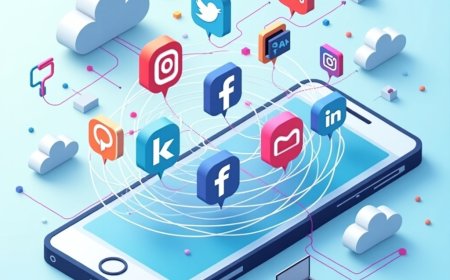
4. Utilize Social Media Platforms
Choose the platforms where your target audience is most active and create a content calendar for event promotion. Tactics include:
- Organic posts: Share event details, behind-the-scenes content, and speaker highlights.
- Paid ads: Use targeted ads to reach wider or niche audiences.
- Engagement: Respond to comments and encourage followers to share the event.
- Create event pages: On Facebook, LinkedIn, or Meetup to centralize information and RSVPs.
5. Collaborate with Influencers and Partners
Partnering with influencers, industry experts, or organizations can expand your reach exponentially. You can:
- Invite them as speakers or panelists.
- Request them to promote the event to their followers.
- Co-host the event to tap into their audience base.
6. Create Engaging Content Around the Event
Develop blog posts, videos, podcasts, or infographics related to the event topic. This content serves to generate interest and improve SEO for your event page. Share this content widely across your channels.
7. Optimize for Search Engines
Incorporate relevant keywords in your event title, description, and meta tags. Use schema markup for events if possible to enhance search engine visibility. Submit your event to online calendars and directories to gain backlinks and traffic.
8. Use Paid Advertising Strategically
Implement paid campaigns on Google Ads, Facebook Ads, LinkedIn Ads, or Twitter Ads, depending on your audience. Use retargeting to remind visitors who showed interest but didnt register.
9. Engage Registrants Pre-Event
Send pre-event materials, such as agendas, speaker introductions, or preparatory resources. Foster excitement through social media groups or email communities to increase attendance rates.
10. Follow Up Post-Event
After the event, send thank-you emails with recordings or additional resources. Collect feedback via surveys to improve future events. Keep the conversation going with related content or invitations to upcoming events.
Best Practices
Prioritize Mobile Optimization
Ensure all promotional materials and your event page are fully responsive. Many users access content on mobile devices, and a seamless experience increases conversions.
Maintain Consistent Branding
Use consistent logos, colors, and messaging across all channels. This helps build trust and recognition for your event.
Use Clear Calls-to-Action (CTAs)
Make it easy for users to register or learn more by using prominent, action-oriented CTAs such as Register Now, Save Your Spot, or Join the Webinar.
Leverage Urgency and Scarcity
Use deadlines, limited seats, or exclusive bonuses to motivate prompt registrations.
Segment Your Audience
Customize messaging based on audience segments to increase relevance and engagement.
Test and Optimize
Use A/B testing on emails, ads, and landing pages to identify what works best and refine your strategy accordingly.
Tools and Resources
Event Management Platforms
Zoom Webinars, Hopin, Eventbrite, GoToWebinar These platforms provide built-in registration, hosting, and engagement tools.
Email Marketing Tools
Mailchimp, ConvertKit, ActiveCampaign For creating automated email sequences and managing subscribers.
Social Media Management
Buffer, Hootsuite, Sprout Social Schedule and analyze your social media campaigns.
Advertising Platforms
Google Ads, Facebook Ads Manager, LinkedIn Campaign Manager Run targeted paid promotions.
SEO and Analytics Tools
Google Analytics, SEMrush, Ahrefs Track traffic sources and optimize your event page for search engines.
Design Tools
Canva, Adobe Spark Create visually appealing banners, social posts, and email graphics.
Real Examples
HubSpots Virtual Summit
HubSpot successfully promoted their virtual summit by combining email marketing, social media engagement, and influencer partnerships. They used a dedicated landing page optimized for SEO and offered exclusive content to attendees, resulting in thousands of registrations worldwide.
Adobe MAX Conference
Adobe MAX leveraged a multi-channel approach including paid ads, organic social content, and interactive livestreams. They engaged their creative community by highlighting speakers and sessions through teaser videos and behind-the-scenes content.
Neil Patels Webinar Series
Neil Patel promotes his webinars using segmented email lists, retargeting ads, and well-optimized blog posts. His clear CTAs and value-driven messaging lead to high conversion rates and attendee engagement.
FAQs
What is the best time to promote an online event?
Start promotion at least 3-4 weeks in advance. Increase frequency closer to the event date, with reminders 1 week, 3 days, and 1 day before.
How can I increase attendance for my online event?
Use engaging content, clear CTAs, personalized invitations, and reminders. Offering incentives such as exclusive content or networking opportunities can also boost attendance.
Should I use paid ads for promoting my event?
Paid ads are highly effective for reaching new audiences and retargeting interested users, especially if your organic reach is limited.
How do I measure the success of my event promotion?
Track registration numbers, attendance rates, engagement during the event, and post-event feedback. Analytics tools can help assess traffic sources and conversion rates.
Can I promote an event without a big marketing budget?
Yes. Use organic social media, email marketing, partnerships, and content marketing to maximize reach cost-effectively.
Conclusion
Promoting an online event effectively requires strategic planning, targeted messaging, and a multi-channel approach. By defining your goals, understanding your audience, and leveraging the right tools and tactics, you can maximize registrations and create a memorable experience for attendees.
Remember, the key is consistent communication, engaging content, and optimizing every step of your promotional funnel. Implement the steps and best practices outlined in this tutorial to elevate your next online event and achieve outstanding results.